New windows: where to start
The hardest part of a new-windows project is often the first step. Here is a calm, no-pressure way to begin — long before you talk to a single installer.
If your windows are draughty, sticking, misting up between the panes, or simply looking tired, it is natural to jump straight to prices. Resist that urge for an hour. A little groundwork now means the quotes you get later are accurate, comparable and free of nasty surprises.
1. Audit the windows you already have
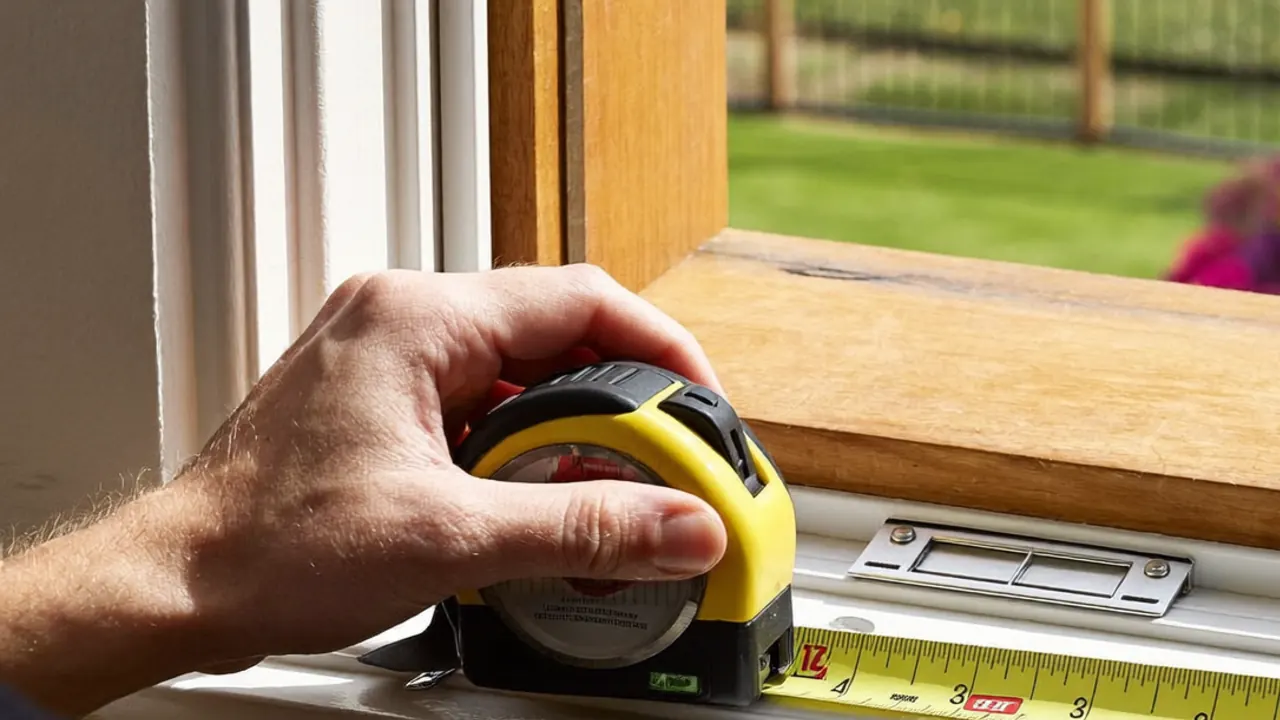
Walk round your home with a notepad. For each window, jot down the room, roughly how big it is, the current material and style, and what is wrong with it — draughts, condensation, rot, broken locks, difficulty opening. Note which rooms you use most, because comfort gains there matter more than in a spare room you rarely enter.
Count everything. Installers price per window, so an accurate count is the single most useful number you can bring to a quote. Include any doors you might replace at the same time, since bundling work often makes a project run more smoothly.
2. Decide what “better” means for you
People replace windows for different reasons: warmth, quieter rooms, security, kerb appeal, less maintenance, or all of the above. Rank yours. If a warm, quiet home is the priority, spend time reading about upgrading to warmer, quieter, more secure windows so you know which features to ask about — energy ratings, laminated glass, multi-point locking and the like.
Got a rough count and a wish list? Request free, no-obligation quotes from vetted local installers — subject to eligibility and a home survey.
Plan my new windows →3. Learn from other people’s mistakes
New windows are an infrequent purchase, so it is easy to trip over the same pitfalls buyers hit again and again — signing on a first visit, comparing quotes that are not like for like, or paying large upfront deposits without protection. It is well worth reading how to avoid the common new-window buyer mistakes before you invite anyone to quote.
4. Set a rough budget and timescale
You do not need a precise figure yet, but a ballpark helps you make sensible trade-offs between materials and finishes. Think about when you would ideally like the work done, too — whether that is before winter, around a wider renovation, or simply as soon as it is convenient.
5. Turn your notes into a brief
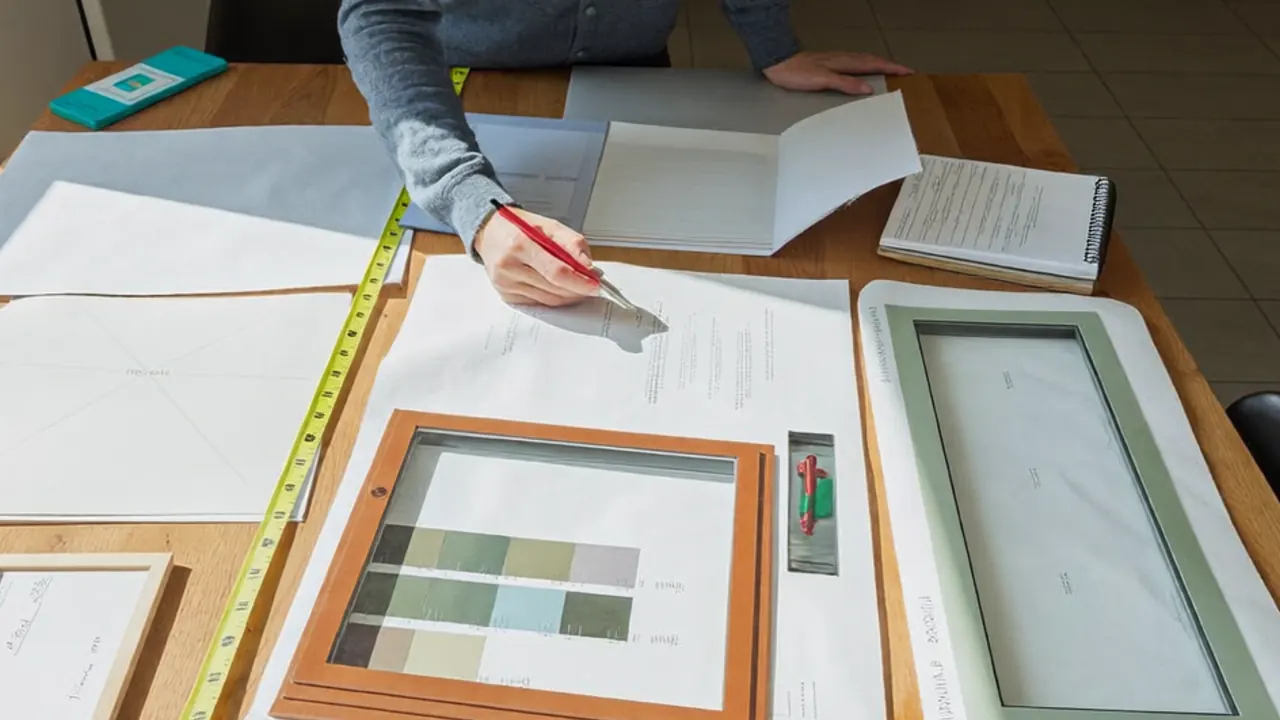
Finally, tidy your notes into a short brief: number of windows, priority rooms, preferred style and material, colour ideas, and your timescale. That brief is gold. It means every installer quotes against the same requirements, so you compare fairly.
With your brief ready, you can move on to the choices that shape the look and price of the job.
Don’t rush the first conversation
One of the calmest ways to start is to remember that you are in charge of the timetable. There is no need to accept an on-the-spot decision or a “today only” price. Take your notes, ask for everything in writing, and give yourself space to compare. A well-planned start almost always leads to a better-fitting, better-value project — and a much less stressful one.