Choosing window style & material
Two decisions shape almost every quote: the style of window and what it is made from. Get a feel for both and conversations with installers become far easier.
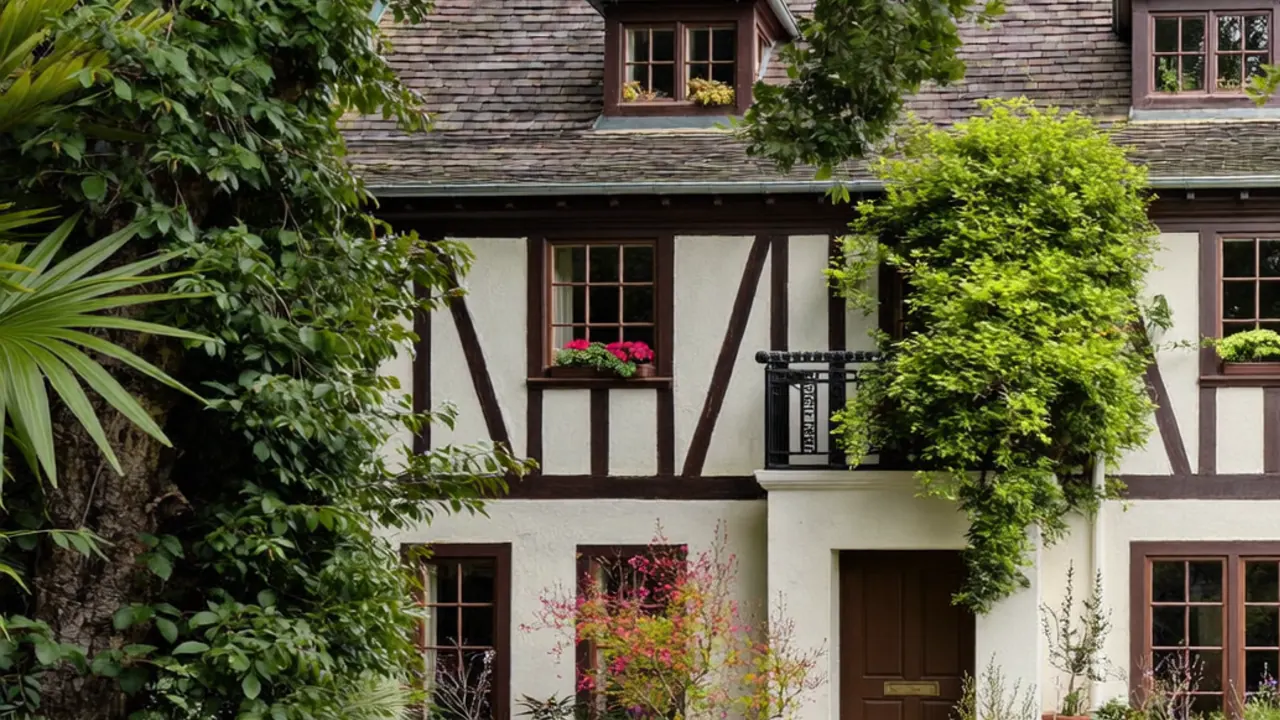
There is no single “best” window. The right choice depends on the age and character of your home, how you use each room, how much maintenance you are happy with, and your budget. Here is how to narrow it down.
Window styles at a glance
- Casement — hinged at the side or top, the most common UK style. Versatile, cost-effective and available in almost any material.
- Sash — vertically sliding, traditional on period and Victorian homes. Modern versions add draught-proofing and easy-tilt cleaning.
- Tilt-and-turn — open inwards for ventilation or swing fully for cleaning and escape. Popular for flats and upper storeys.
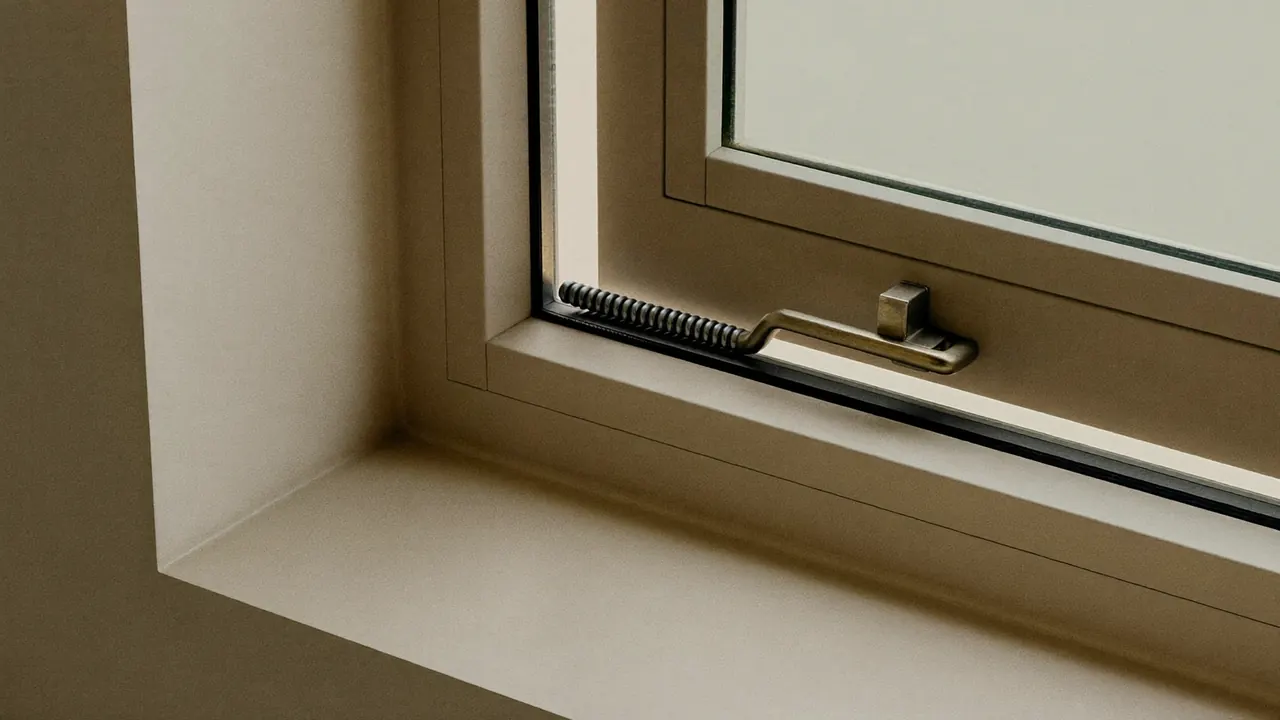
- Flush casement — the sash sits flush within the frame for a clean, cottage-style look that suits both period and contemporary homes.
- Bay and bow — projecting arrangements that add light and a sense of space to a room.
Match the style to your home’s character. A modern flush casement can transform a plain facade, while a sympathetic sash keeps a period property looking right. If comfort is your driver, read about the difference warmer, quieter and more secure windows make so you weigh looks against performance.
Narrowed down your style? Compare free, no-obligation quotes from vetted local installers — subject to eligibility and a home survey.
Plan my new windows →Frame materials compared
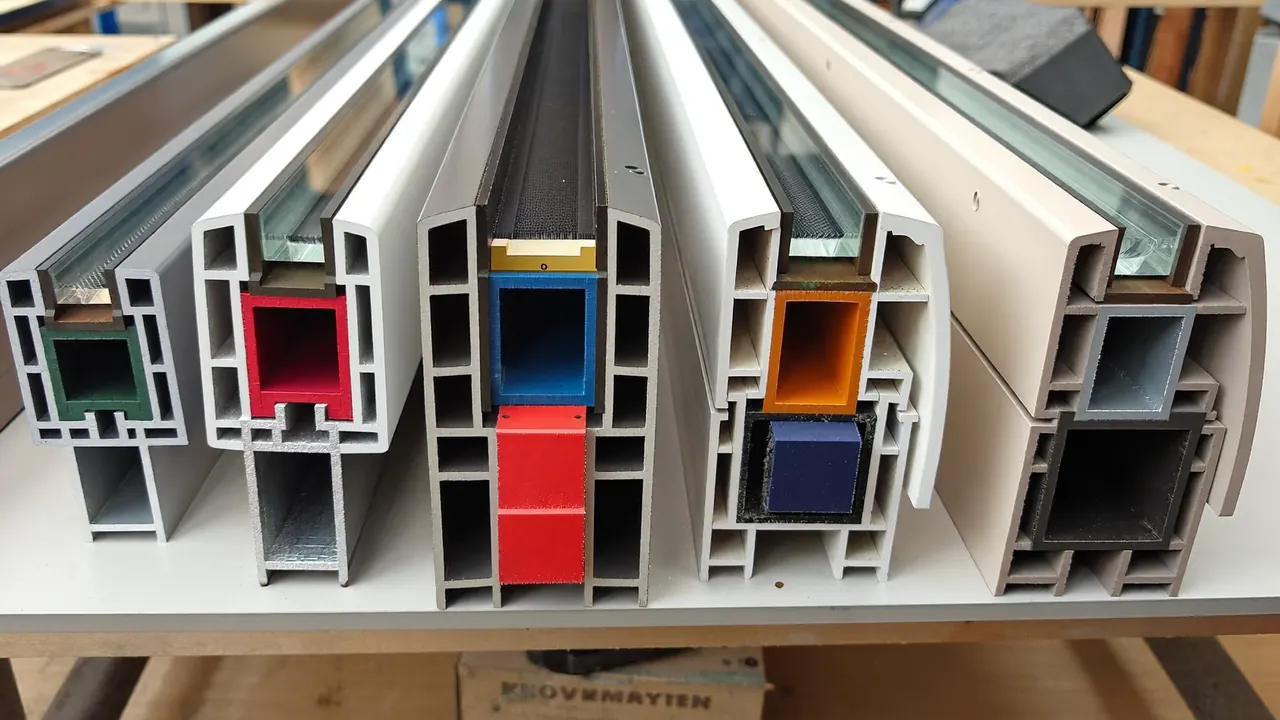
uPVC is the most widely chosen: affordable, low-maintenance and energy-efficient, now available in a huge range of colours and woodgrain effects. Timber offers unbeatable character and is often preferred (or required) in conservation areas, but needs periodic repainting. Aluminium is slim, strong and modern, allowing larger panes of glass with minimal frame. Composite combines materials — typically a timber or aluminium exterior with an insulating core — for a premium blend of looks and performance.
Glazing matters as much as the frame
Double glazing is standard; triple glazing adds insulation and noise reduction where it is worth the extra cost, such as on a busy road or a north-facing room. Look at the energy rating and, if noise is a concern, ask about laminated or acoustic glass. A registered installer will explain the options during your survey.
Avoid the common traps
Style and material choices are where buyers most often overspend or mismatch their home. Skimming a guide on how to sidestep the mistakes new-window buyers make will help you ask sharper questions and spot a specification that has been padded out.
Match the choice to how you live
Beyond looks and budget, think about how each room is used. Tilt-and-turn windows are brilliant above a kitchen sink or on an upper floor where reaching out to clean is awkward. Flush casements suit a period cottage you want to keep sympathetic. Large aluminium panes flood a dark room with light. There is no universally right answer — the best window is the one that fits your home, your maintenance appetite and the way you actually live day to day.